Small-business credit loosened through 2025, and it still costs more than owners got used to. Lender standards for small firms eased from their 2023 tightening peak — the Federal Reserve's senior loan officer survey documented the swing — while average small-business loan rates settled well above their pre-2022 levels. The result is a two-sided market: money exists for borrowers with current financials and patience, and it punishes the applications that used to sail through on relationships alone.
Amjilt News publishes information, not lending advice.
What changed in bank lending standards?
Direction, then degree. After the regional-bank stress of 2023, standards for small firms — typically firms with under $50 million in sales on the Fed's survey definition — tightened sharply. Through 2024 and 2025 the net share of banks reporting easier standards turned positive, and demand recovered with it. But underwriting changed shape, per the same survey's detail: more emphasis on cash-flow documentation, collateral coverage, and covenant packages, less on relationship lending. The loan officer who remembered your father's account has been partially replaced by the model that scores your last twelve bank statements.
What does the money cost now?
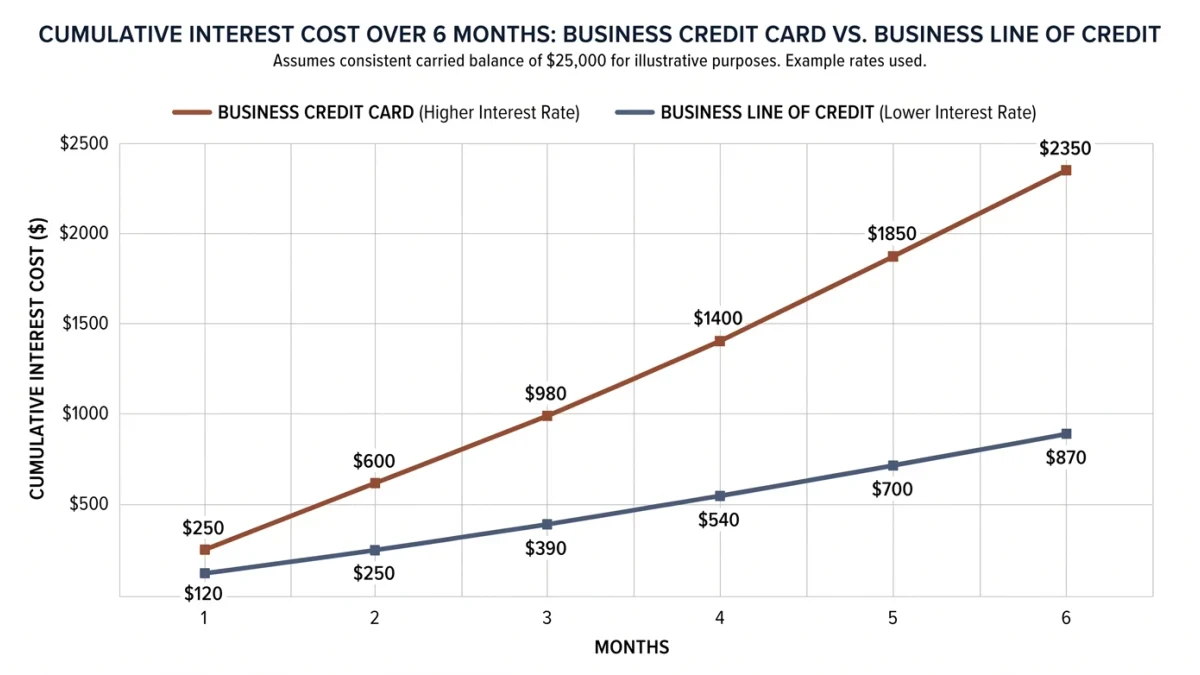
More, structurally. With the federal funds rate well off its 2023 peak but prime still far above the near-zero era, typical small-business term loans and credit lines priced in the high single digits to low teens through 2025, according to Federal Reserve small-business credit survey data — compared with the mid-single-digit offers common before 2022. For a firm carrying, say, a quarter-million-dollar line, the difference is a real payroll line item. Applications rose anyway: the Fed's Small Business Credit Survey consistently finds growth-seeking firms borrowing for inventory and expansion, and 2025's demand recovery in the loan officer survey matched it.
Where did non-bank lending go?
Everywhere, unevenly. Fintech lenders and payment-processors' merchant-advance products grew into the gap the banks left in 2023, and they still price accordingly — effective annualized costs on advances can run multiples of bank rates, a fact regulators and the Fed's credit survey have both flagged. The SBA's 7(a) program, which guarantees a large share of small-business loans made through banks, saw strong volumes through 2024-2025 and its fee and guarantee structures remain the standard answer for borrowers who can't clear conventional underwriting. The honest map: banks for cost, SBA for access, fintech for speed — and the price of speed is the number to read twice.
What separates approved applications from declined ones?
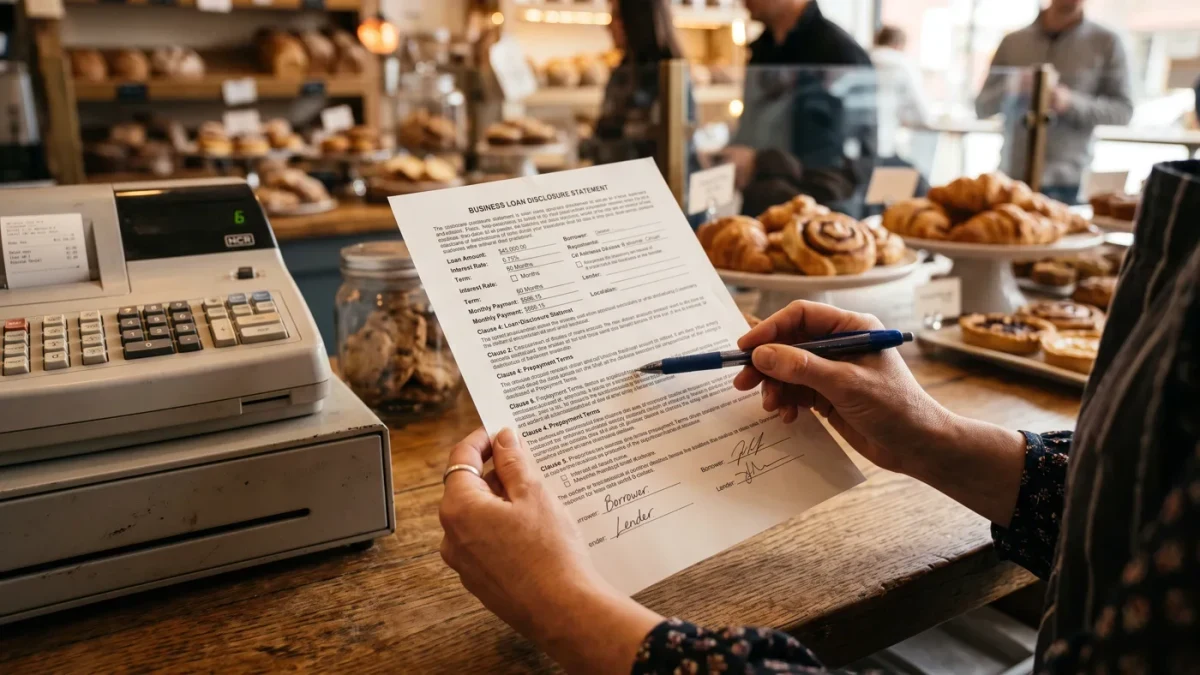
Documentation, mostly. Lenders and SBA resource partners publishing guidance through 2025 converged on the same list: two to three years of tax returns, current profit-and-loss and balance sheet, personal credit of guarantors, a use-of-proceeds statement that matches the amount requested, and clean explanations of any prior delinquencies. Cash-flow lending rewards firms whose business accounts show steady inflows — commingled personal spending and thin bookkeeping are the most self-inflicted declines in the credit survey's data on discouraged borrowers.
What's the risk picture into 2026?
Watch two lines. Charge-offs: small-business delinquencies on bank books rose modestly from unusually low pandemic-era levels, per Fed and FDIC quarterly data through 2025 — normalization, not distress, but the direction matters for standards. And refinancing: a cohort of loans made in 2020-2021 at near-zero rates has been rolling into materially higher payments, a maturity wall the credit-survey researchers flagged as the quiet stressor of 2026. Firms that planned the reset survived it; firms that treated the old payment as permanent are negotiating.
FAQ
Are small-business loans hard to get in 2026?
Standards eased from the 2023 peak, but underwriting remains documentation-heavy. Strong cash-flow records and complete financials clear the bar; relationship-only applications struggle.
What's the cheapest small-business financing option?
Bank term loans and SBA 7(a)-guaranteed loans typically price lowest; merchant cash advances and fintech products are fastest but costliest per dollar. Compare effective annualized cost, not the headline factor rate.