The perk recession is complete. The 2021-era arsenal — wellness stipends, fully stocked kitchens, office dogs, retreats in warm places — contracted through the 2023-2025 cost resets, and HR analysts tracked the retrenchment line by line. What survived is revealing: the perks with measurable retention effects and no photo op. Flexibility, real leave, and cash-adjacent benefits displaced the aesthetic ones, and the swap says something honest about what the old perks were for.
Amjilt News publishes information, not benefits advice.
What got cut?
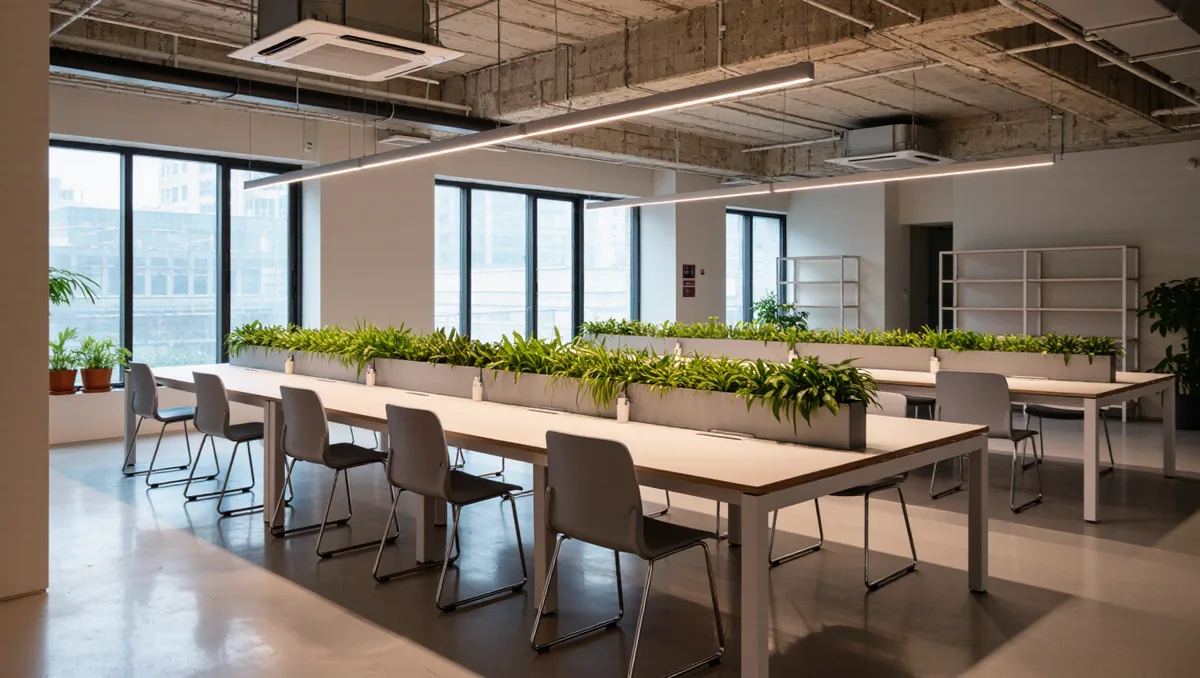
First the visible, then the expensive. Free meals and elaborate offices went with the hybrid shift — feeding absent employees being the canonical waste — while companies reassessed real-estate footprints. Wellness stipends, learning budgets, and team retreats thinned in the 2023-2024 budget rounds; benefits surveys through 2025 documented the decline, alongside a parallel drop in employers' self-reported "culture" spending. The final wave, continuing into 2026, hit the subscriptions: software-seat bloat, Calendly-for-everyone tooling, and the collaboration tools that multiplied during remote-only years and consolidated under CFO scrutiny.
What survived, and why?
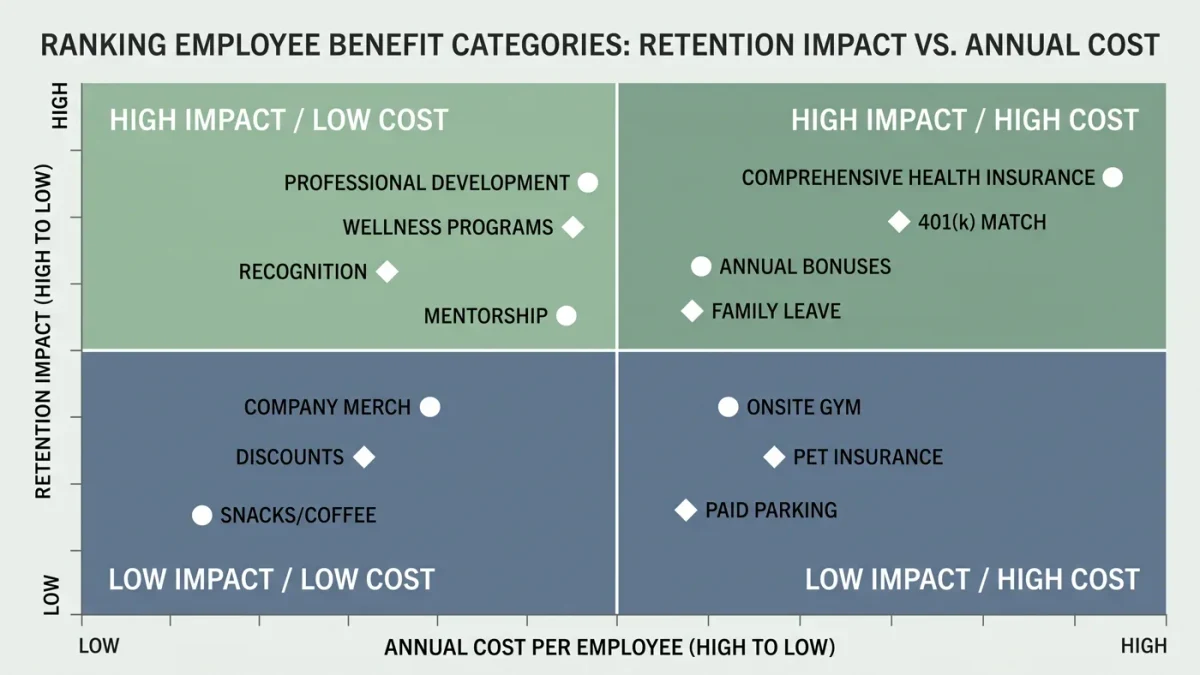
Three families, with a shared trait: they show up in employees' constraints, not their feeds. Flexible schedules and location policy survived because hybrid preferences proved to be among the strongest retention levers in the survey data — and because they cost nothing. Leave deepened: parental-leave expansions continued through the retrenchment, with paid family leave spreading at large employers even as flashier benefits died, because replacement and retention economics held. And healthcare plus retirement contributions — the unglamorous majority of benefits spend — grew as a share of total compensation, per Bureau of Labor Statistics employer-cost data, which is the quiet headline of the whole period.
Why did the aesthetic perks die first?
Because they were recruiting theater whose ROI was always fuzzy. The elaborate office existed to win campus-recruiting arms races in a tight labor market; when hiring slowed, the office had no other job. Employee-survey data collected throughout the period told the same story consistently: when workers rank what keeps them, flexibility, pay, health coverage, and competent management outrank amenities by wide margins. The perks that died were the ones employees liked but wouldn't trade anything for. The ones that lived were the ones they would.
What replaced them where?e
Symmetric austerity, mostly — and a few upgrades. Student-loan repayment assistance and emergency-savings programs spread through the mid-2020s as financial-wellness benefits, targeting exactly the workforce segments (younger, moderate-income) where retention pain concentrated. Menopause support, fertility benefits beyond basic coverage, and caregiving support expanded at large employers, riding measurable utilization numbers. Mental-health benefits normalized into standard packages following the pandemic-era utilization spike that insurer and employer data documented. The pattern: benefits with claims data and utilization rates survived the spreadsheet review; benefits with photo shoots didn't.
What's the honest cost of the swap?
A narrower definition of workplace care. The aesthetic perks, whatever their ROI, carried signaling value — they told employees the company was willing to spend money making the place pleasant, and their withdrawal reads as its own signal even when the money moved to insurance premiums. Survey researchers noted the perception gap: total compensation grew in dollar terms through the retrenchment, while employees' sense of being valued often didn't, since premiums are invisible and snacks aren't. Employers that communicated the shift honestly — here is what we cut, here is what it funded — fared better than the ones that simply removed the kitchen one Monday.
FAQ
Which employee benefits are most valued in 2026?
Survey data consistently ranks flexibility, health coverage, retirement contributions, and real leave above office amenities. Financial-wellness and caregiving benefits grew fastest through 2025.
Why did companies cut free food and wellness perks?
They were recruiting-signaling spend tied to the tight 2021 labor market and hybrid-empty offices. When hiring slowed, their measurable retention value didn't justify the cost.